Analysing Mina the Hollower’s Design
Let’s have a casual chit-chat about Yacht Club’s newest game: Mina the Hollower. To clarify, this is not a review for those who are on the fence about whether they should buy the game. There’s plenty of reviews out there already that can answer that question for you. This will be my brief analysis of certain aspects of the game’s design, mechanics, puzzles, and all the benefits and frustrations that come with them. So, consider this a spoiler warning.
Go Your Own Way
I’d like to talk about Mina’s core game design philosophy. There’s a certain open-endedness to the game design that I can’t help but admire. The player’s aim is this: Six generators need to be fixed, which can be tackled in almost any order the player wishes. Well, all but two. One is gatekept behind finding mirrors in other areas, and another is gatekept behind depositing a high number of bones into fixing the train. But apart from that, it’s largely up to the player on how to approach fixing the generators.
The obvious upside of this is that it gives the player an insane amount of freedom and choice on which areas they wish to tackle first. What takes your fancy? The crypt? The swamp? The bone beach? The spooky Halloween-esque area? It’s up to you! The main caveat of this is that it’s pretty much up to you to find them. It’s very easy to get lost in Mina the Hollower, and it’s not helped by its lack of a map for the beginning portions of the game. Not only is the map easily missable, but it also must be purchased when you find it, too. And not only that, it’s not exactly useful, either. Anyway, despite this, I made do and didn’t get lost for too long—and often bumped into other secrets and hidden areas I otherwise wouldn’t have. It’s almost as if that’s what Yacht Club wanted to happen! In this instance, I would say the bolder, more open design worked in their favour—even if it can be daunting in those early hours when you’re less familiar with the world.
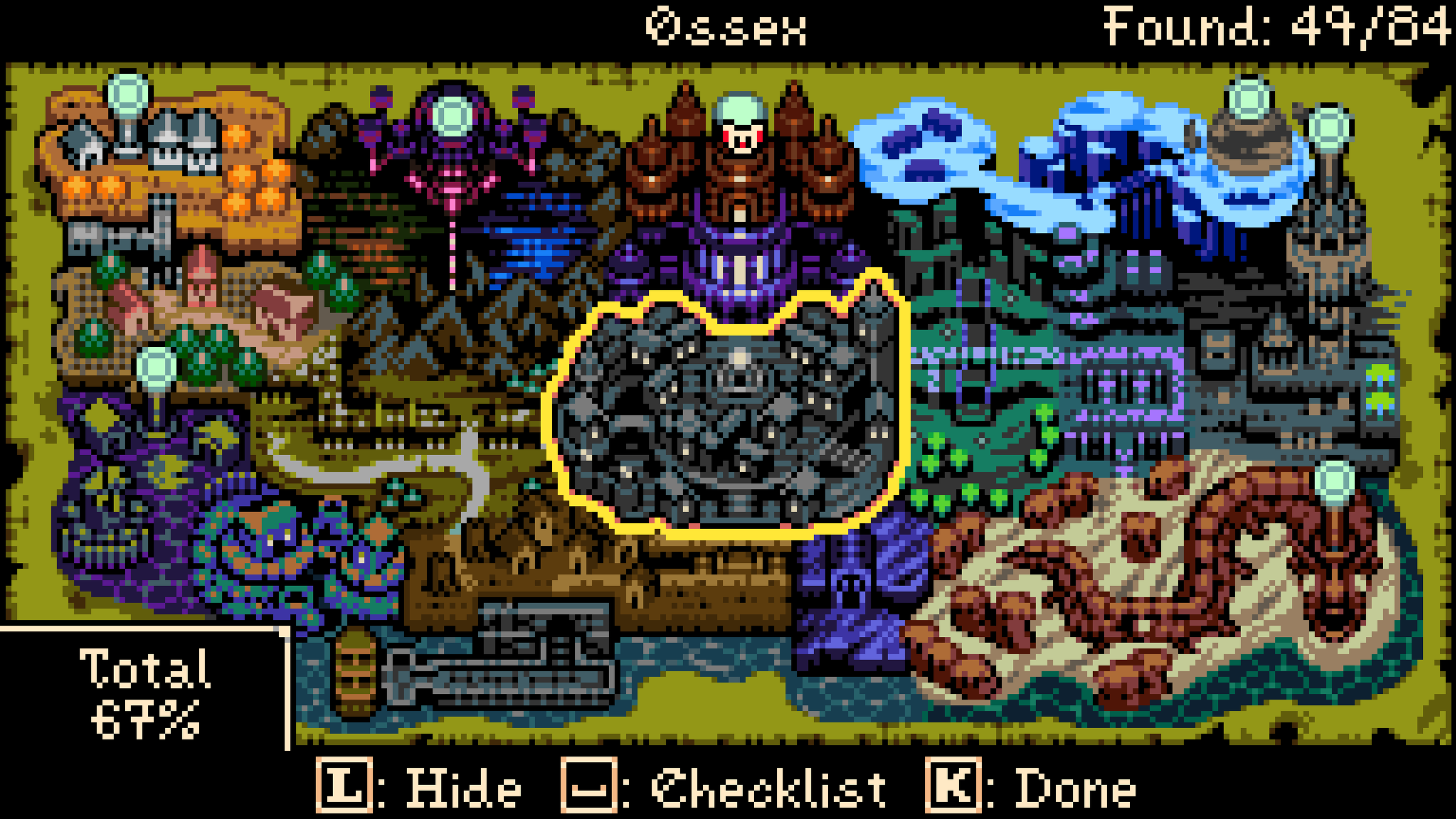
Pictured: The map. My total percentage isn’t funny.
The open design also extends to trinkets, weapons, and sidearms. For the most part, I don’t mind it. The weapons are weapons; pick whatever fits your playstyle. And the trinkets are just equippable items you can swap in and out at will to give you abilities or stat boosts. Although, let’s be honest, everybody is gonna be using the one that gives you an extra life after dying. It’s just far too good. Anyway, the sidearms are where the potential frustrations start to show themselves.
The sidearms are smaller weapons you can use to attack enemies or give yourself some unique movement opportunities—or sometimes even both. On paper, very cool. However, there’s two caveats. One, they have limited use, meaning you need to find more joules (ammo) to keep using them. That’s fine, right? It encourages you to explore and not overuse them. Correct. They even let you upgrade your underlab to allow you to refill the ammo easily. Convenient! Except it’s not. It takes time to refill. So, for example, if you’re dying repeatedly on a particular boss, you’re gonna either need to fight the boss with no sidearm ammo, or find a place to farm joules before every attempt of the boss. I commend Mina’s dedication to the old-school aesthetic and souls-like inspiration (even reminding me of Bloodborne blood vial farming) but I think there’s a line—and in this aspect isn’t fun. It’s not difficult, either. It’s just a waste of time. And personally. I think that can be any game’s biggest sin: when it doesn’t respect your time.
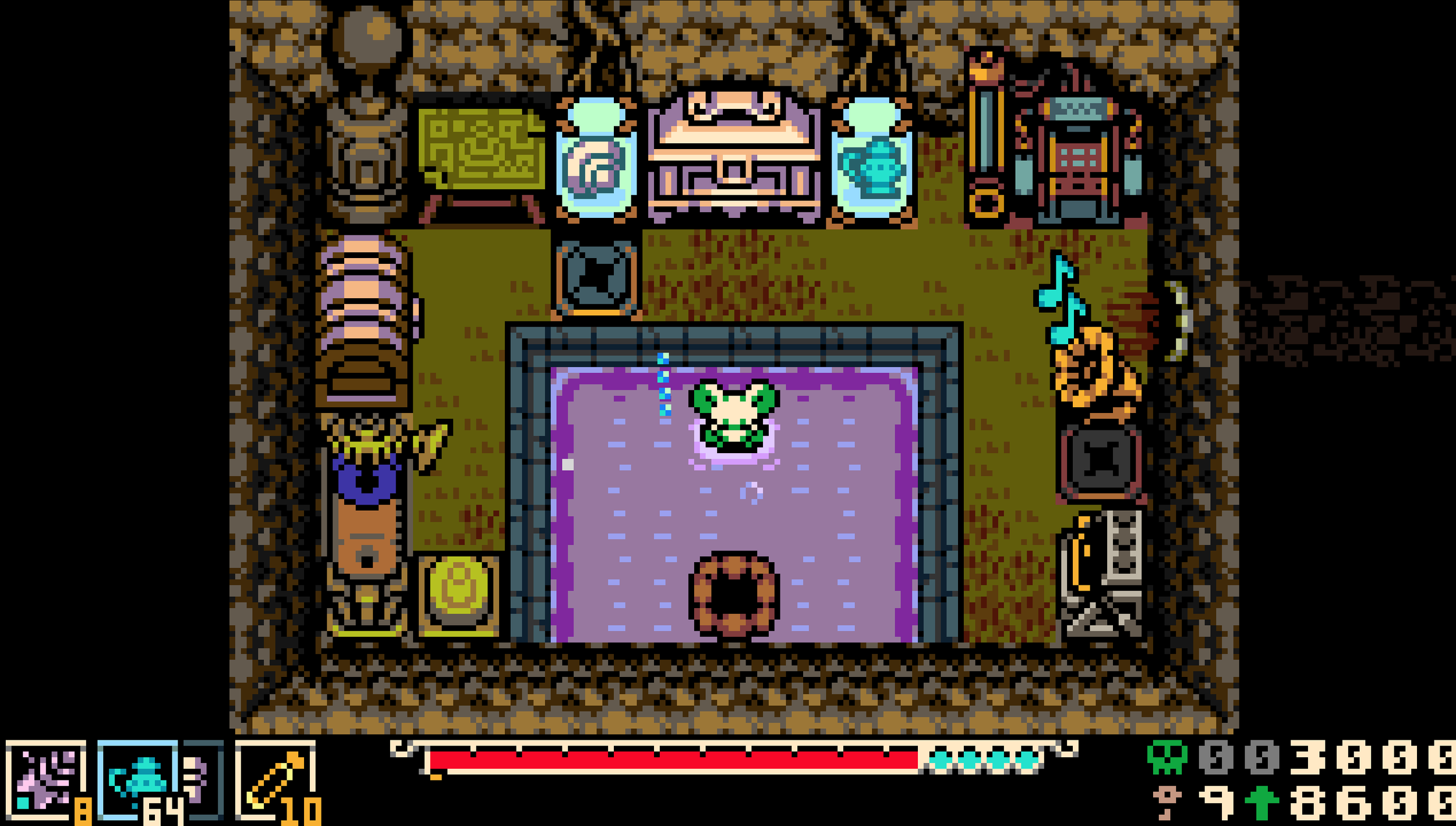
Pictured: The fountain at the bottom left, that refills you sidearm ammo, takes time to recharge.
My second caveat with sidearms, although not as prevalent, is that you can only find specific sidearms in specific places. So, if there’s a particular one you liked from a certain area, you’re unlikely to find it in another. Yacht Club tried to remedy this with a sort of “sidearm selector” item that pops up now and again, cycling through most (if not all) of the ones you’ve equipped before, but they are few and far between. I just wish we could swap them out for whatever we want in the underlab—even if it is a paid upgrade that costs bones to acquire.
The Mirrors
Let’s get to the mirrors. Yep, the mirrors. I’ve seen so many complaints about this, and it’s only made worse by the fact that it acts as a soft fast travel system. Luckily, I found out about it rather early on, having gone to Nox’s Bayou and witnessed the bloke walk into the mirrors. I almost abandoned it, however, having assumed that maybe I was missing an item in order to walk through the mirror. The small wobble the glass does when you walk into it, and that when you interact with it you’re merely presented with a reflection of Mina doing funny faces, only supports this assumption. Something would surely happen in either of these instances if I could walk through the mirror, right? Wrong! You just have to walk into the mirror for two seconds, and congratulations, you’ve gone through! It’s not the most obtuse thing in the world, but it’s such a big component of the game that’s so easily missed—and that’s why I believe people find it so frustrating. All those mirrors you missed. All those missed opportunities for fast travel. All that time, wasted.
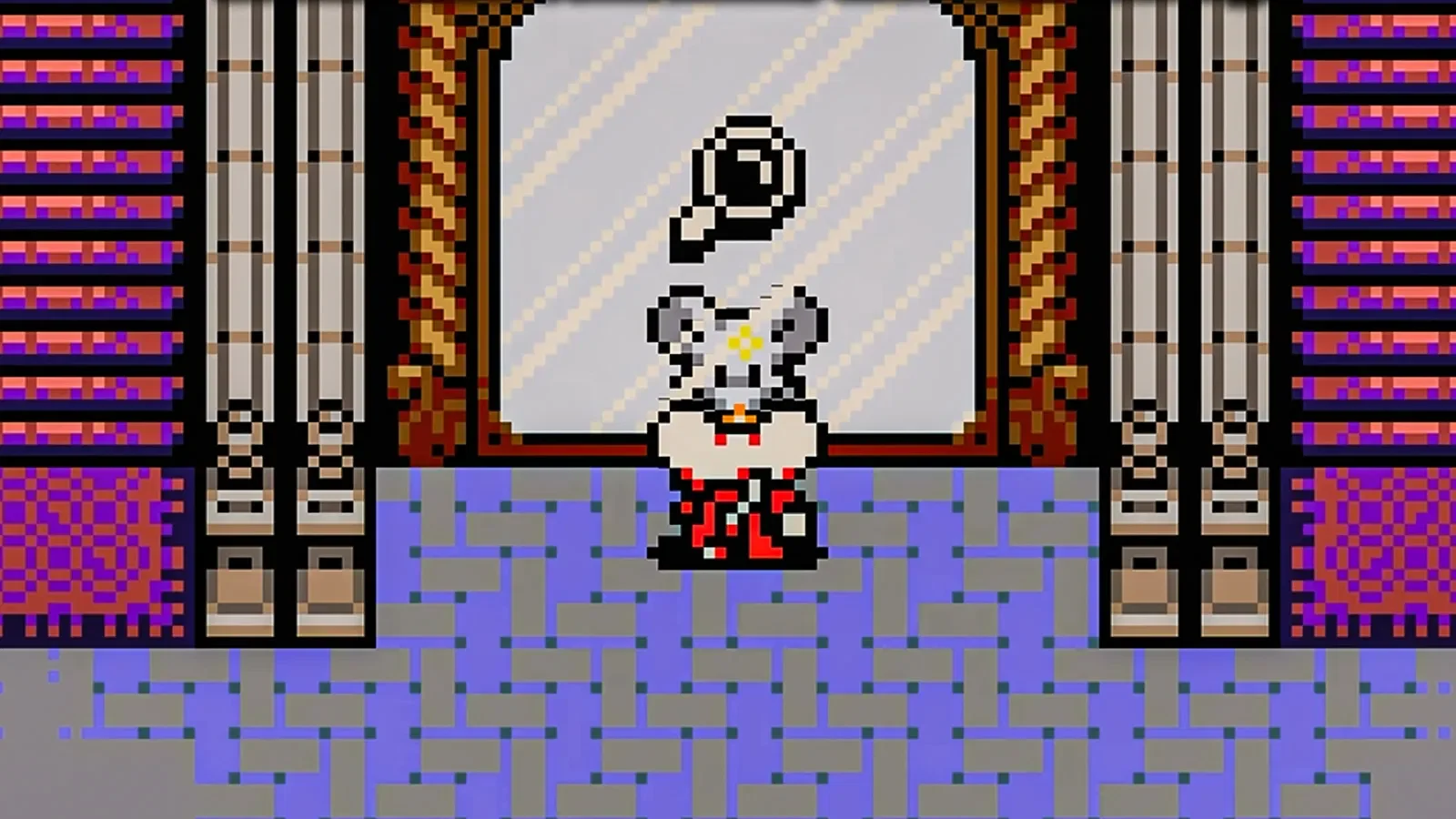
Why won’t you JUMP?!
My ultimate frustration, which not every player will experience, I’m sure, is on the Coltrane Peak level. Why, you ask? Because of the burrowing under ice mechanic. Not the walking on ice mechanic—that’s fine. Specifically, how Mina controls when burrowing under ice. The problem with this is not the mechanic itself, but how it is taught to the player. The game takes a very “show, don’t tell” tutorial-free approach. Basically, let the player figure it out themselves by introducing it with escalating complexity and difficulty. For most of the game, this is fine. But in this instance—burrowing under ice—it doesn’t work. Mainly because there are too many things at play at once. When you burrow under ice, you will automatically move after a second or two and hop out. But also, you can decide on a direction manually earlier if you wish. Not only that, if you hop out of the side of ice (over a pit), you’ll hop out in that direction too. Now, the real issue is the jump button. To burrow, you press and hold the jump button—this is the case for the entire game. Hold the jump button and burrow. Once you let go, or after a few seconds of holding the button, you’ll automatically jump out. But there’s the issue: it doesn’t work like that when under ice. If you hold the jump button and burrow down, you’ll hop out automatically. That’s fine. But when you’re jumping out of ice over a pit, you will fall to your death—unless you let go of the jump button. Knowing this now is all fine and dandy, and pretty easy to understand (albeit not too consistent with the rest of the game, but whatever). The issue is that this is incredibly difficult to convey with the tutorial-less approach. With so many different ice-burrow quirks being thrown at you at once—it’s very difficult to tell what is causing what. This leads you to question what’s actually causing you to fall to your death after burrowing out of ice on a ledge, and not jumping. As a result, the last thing you’re gonna suspect is the fact that you’re holding the jump button. And as far as I’m aware, the in-game manual doesn’t help much either. At least for the ice.
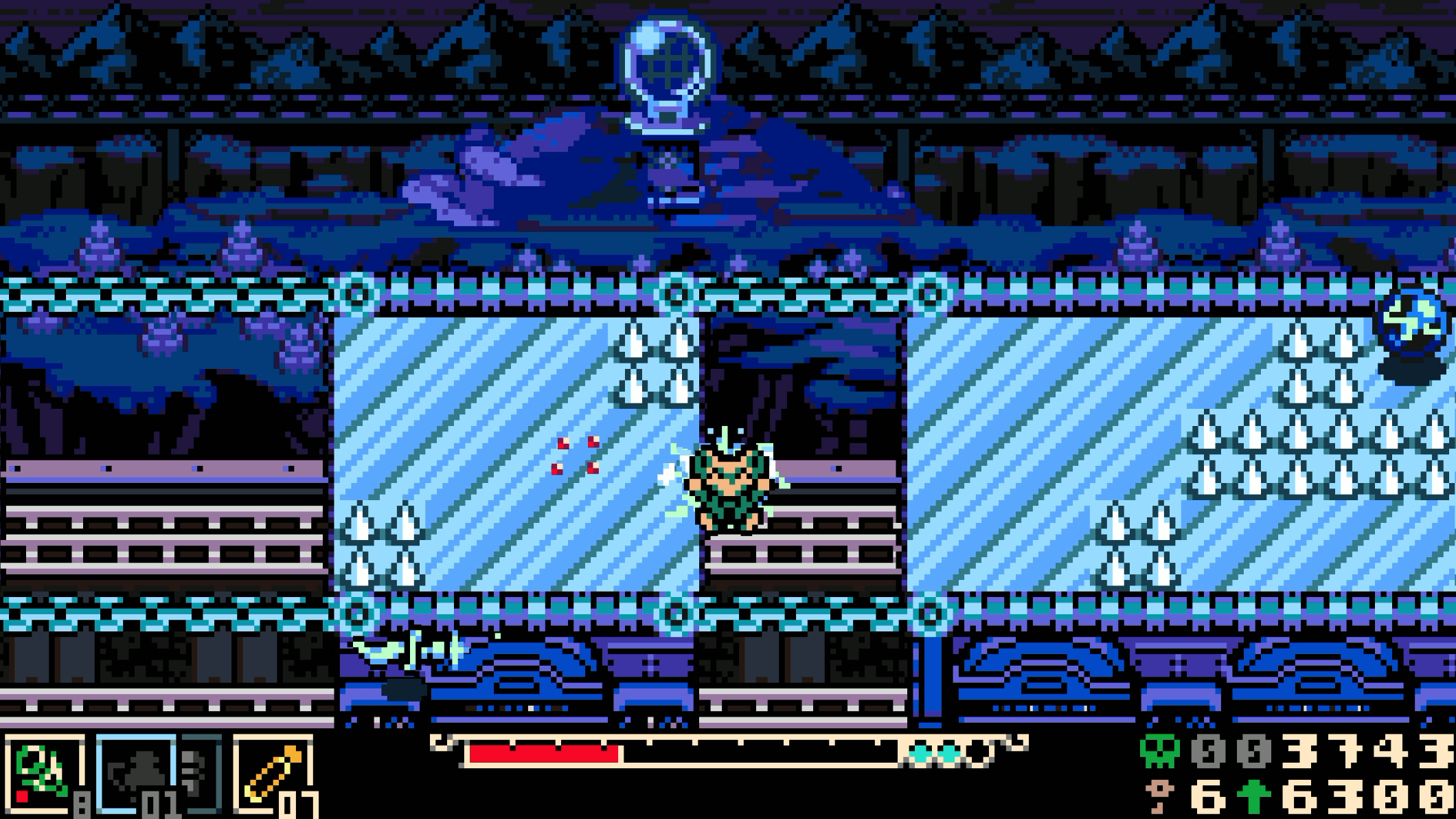
Pictured: A frustrated Mina
I wouldn’t blame you for thinking I hated Mina the Hollower after talking so passionately about its flaws, but that’s far from the truth. So much so, I’m just going to randomly rattle off things I love about the game to make up for it: I love the soundtrack, and how some of them are insanely groovy while others set the mood perfectly. I love the open and tutorial-less design philosophy (overall). I love all the hidden puzzles you can easily miss and the sense of discovery that comes with that. I love the mini-game challenges hidden throughout the game. I love the fact that you can pick a main weapon to suit your playstyle. I love how (spoiler alert) at the end the game acknowledges all the little things you did in the world and how you affected all the different inhabitants. I love the art style and aesthetic. I love the modification system, even if I didn’t use it at all. And finally, I love how much it trusts the player to figure things out themselves.